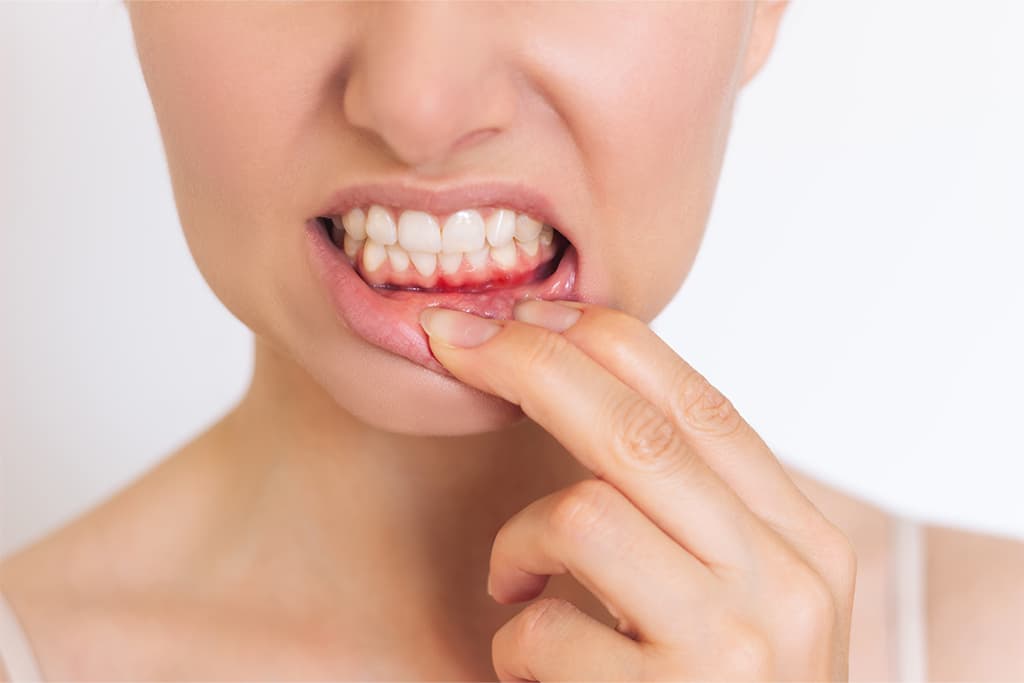
Why Your Gums Bleed After Brushing: Common Causes and When to See a Dentist
Bleeding gums are one of the most common oral-health complaints among adults in the UK, yet many people ignore them or treat them as a normal part of brushing. In reality, gums should not bleed during brushing or flossing. If they do, your mouth is trying to tell you something important. Understanding the underlying causes, knowing when bleeding gums signal a more serious problem, and seeking timely care from a dentist in London can protect both your smile and general health.
This comprehensive guide explores medically accurate, UK-aligned insights into why your gums may bleed, what you can do at home, and when professional care is essential.
Understanding Why Gum Health Matters
Your gums play a vital role in supporting and protecting your teeth. When they become inflamed, infected, or weakened, the stability of your entire mouth is affected. Research from Public Health England highlights that gum disease is one of the leading causes of tooth loss, and early signs frequently include bleeding during brushing.
Important
Bleeding gums are not simply a brushing mistake - they are often the earliest warning signal of inflammation known as gingivitis, which, if untreated, can progress to periodontitis, a more advanced form of gum disease affecting the bone and tissues supporting the teeth.
Keeping gums healthy is therefore essential for long-term oral health, fresh breath, and overall wellbeing.
Common Reasons Your Gums Bleed After Brushing
1. Plaque and Tartar Buildup
Plaque is a sticky film of bacteria that naturally forms on the teeth throughout the day. If not removed effectively, plaque irritates the gumline, leading to inflammation and bleeding. Over time, plaque hardens into tartar (calculus), which can only be removed through professional cleaning. Irritated gums, redness, and persistent bleeding during brushing are classic signs of early gum disease caused by plaque build-up.
2. Brushing Too Hard
Many people believe pressing harder will clean teeth more effectively. According to UK dental guidance, aggressive brushing can damage gum tissues, cause recession, and irritate the gums enough to cause bleeding. Hard-bristle toothbrushes are also a common culprit. Dentists in London and across the UK recommend soft-bristled brushes and gentle circular motions.
3. Poor Brushing Technique
Rushing through brushing, missing the gumline, or brushing only the biting surfaces can leave behind plaque that irritates gums. Bleeding is often an early sign that the gumline is not being cleaned effectively.
4. Not Flossing Regularly
When flossing is not done daily, bacteria collect between the teeth and beneath the gumline. Introducing flossing again after a long gap often causes temporary bleeding as the gums are inflamed, but consistent daily flossing improves gum health and reduces bleeding.
5. Gingivitis
Gingivitis is a mild form of gum disease characterised by redness, swelling, tenderness, and bleeding. The British Society of Periodontology highlights gingivitis as highly treatable when detected early, but it requires professional cleaning and improved oral hygiene.
6. Periodontitis
If gingivitis is unaddressed, it may develop into periodontitis - a more serious infection where gums pull away from the teeth, forming pockets of bacteria. Bleeding during brushing becomes more pronounced, and symptoms may include wobbly teeth, bad breath, and gum recession. Periodontitis is one of the leading causes of adult tooth loss in the UK and requires specialist periodontal treatment.
7. Vitamin Deficiencies
In the UK, deficiencies in vitamin C and vitamin K can contribute to gum bleeding. Poor diet, restrictive diets, or certain medical conditions may lead to these deficits, affecting gum health.
8. Hormonal Changes
Pregnant women frequently experience pregnancy gingivitis due to hormonal changes increasing gum sensitivity. Bleeding is common, particularly in the first and third trimesters, but should still be discussed with a dentist.
9. Medical Conditions or Medications
Certain conditions - such as diabetes, blood clotting disorders, and autoimmune diseases - can make gums more prone to bleeding. Some medications used in the UK, including anticoagulants, may also increase bleeding.
10. Smoking and Vaping
Smoking suppresses the immune system and masks early signs of gum disease. Ironically, when smokers try to quit, gums may bleed more initially as inflammation resurfaces - a sign the gums are healing. Vaping, though often perceived as milder, can also irritate gum tissues.
Is Bleeding Ever Normal?
A small amount of bleeding when you introduce flossing or switch to a more effective brushing technique may be temporary. However, ongoing bleeding is never normal and should be assessed by a dental professional.
At-Home Steps to Reduce Gum Bleeding
Gentle, Consistent Brushing
Brush twice daily using a soft-bristle toothbrush. Focus on gentle circular motions, ensuring you cover the gumline without applying excessive force.
Daily Flossing
Flossing helps remove plaque that brushing cannot reach. Consistency is key. Daily flossing reduces bleeding after just a few days in most cases.
Use Antibacterial Mouthwash
Short-term use of chlorhexidine mouthwash may help reduce inflammation (always follow UK dental guidelines and avoid long-term use without professional advice).
Stay Hydrated
A dry mouth promotes bacterial growth. Drinking water regularly helps keep gums healthy.
Balanced Nutrition
Ensure adequate intake of vitamin C, vitamin K, and essential nutrients by including fresh fruits, vegetables, and leafy greens in your diet.
Concerned about bleeding gums? Book a gum health assessment at South Kensington Medical and let our experienced dental team help restore your oral health.
Book Gum AssessmentWhen to See a Dentist in London for Bleeding Gums
Bleeding gums should never be ignored, especially if:
- Bleeding happens daily or frequently
- You notice swelling, redness, or tenderness
- There is persistent bad breath
- You feel gum recession or sensitivity
- You suspect plaque or tartar build-up
- You have diabetes or other health conditions
- You are pregnant and experiencing gum changes
A dentist will conduct a professional gum assessment, measure pocket depths, check for signs of active gum disease, and provide personalised treatment based on UK dental best practice.
Professional Treatments That May Be Recommended
1. A Professional Dental Cleaning
A scale and polish removes plaque and tartar from areas you cannot reach at home. This is often the first step in reversing gingivitis.
2. Periodontal Deep Cleaning (Root Planing)
For more advanced gum disease, deep cleaning beneath the gumline helps reduce bacterial pockets and promote healing.
3. Tailored Gum Disease Treatment Plans
Depending on severity, your dentist may recommend staged periodontal therapy or referral to a specialist dental practice.
4. Hygiene Instruction and Monitoring
Following UK dental guidelines, hygienists provide personalised advice on brushing angles, flossing methods, and maintenance routines.
Connection Between Gum Health and Your Overall Health
Emerging UK research highlights strong associations between gum disease and wider systemic conditions, including:
- Diabetes
- Heart disease
- Stroke risk
- Respiratory infections
Important Connection
Inflamed gums allow harmful bacteria to enter the bloodstream, affecting organs and contributing to inflammation elsewhere in the body. This makes early assessment and treatment even more important.
How Often Should You Have Hygiene Appointments?
Most adults benefit from a hygiene session every 6 months, though people with gum disease, smokers, diabetics, or those with recurrent inflammation may require more frequent visits. Regular appointments not only prevent bleeding gums but also support long-term oral and general health.
Many patients also choose to book a private dental hygienist appointment in London to ensure deeper cleaning, tailored guidance, and ongoing monitoring of their gum health.
6 mo
recommended between hygiene visits
2x
daily brushing
2 min
brushing time
1x
daily flossing
Preventing Bleeding Gums Long-Term
Healthy gums rely on consistency. Once inflammation reduces, maintaining good habits keeps bleeding at bay:
- Brush twice daily for 2 minutes
- Clean between teeth daily
- Attend regular hygienist sessions
- Avoid smoking
- Reduce sugary snacks
- Use fluoride toothpaste
- Drink plenty of water
Taking control of your gum health prevents future complications and protects your long-term smile.
When Bleeding Gums Need Urgent Attention
Seek prompt dental care if:
Urgent Warning Signs
- • The bleeding is heavy
- • There is pain or pus around the gums
- • You notice loose teeth
- • You experience a sudden change in gum appearance
- • The bleeding lasts longer than one week despite good brushing
These may indicate active gum infection or advanced periodontal disease requiring urgent management.
Ready to Book an Appointment?
Our team is here to help you with all your dental and medical needs.










