
How Long After a Filling Can You Eat?
Having a dental filling is one of the most common procedures carried out in general dentistry. Whether the filling has been placed to treat decay, repair a small chip, or replace an old restoration, one of the most frequent questions patients ask afterwards is: how long should I wait before eating? The answer depends on the type of filling material used, and understanding the difference can help you protect your new restoration and avoid unnecessary discomfort.
This guide explains the recommended waiting times for different types of fillings, outlines which foods to approach with care in the hours and days following treatment, and provides practical aftercare advice to help your filling last as long as possible.
How Long Should You Wait to Eat After a Filling?
The waiting time depends on the type of filling material used and what you plan to eat or drink. Below is a practical breakdown.
Composite (White) Fillings — Waiting Times by Food Type
Composite fillings are hardened instantly using a curing light during the procedure, so the filling itself is fully set before you leave the chair. However, your mouth will still be numb from the local anaesthetic, which typically takes 1 to 3 hours to wear off. You should wait until full sensation returns before eating or drinking anything.
Once the numbness has gone, here are the recommended waiting times:
Water (Room Temperature)
0 hours
Safe to sip immediately — just avoid swishing vigorously around the treated area.
Soft Foods
1–3 hours
Scrambled eggs, yoghurt, mashed potato, porridge, soup, or smoothies once numbness wears off.
Hot Drinks (Tea, Coffee)
3–4 hours
Wait until numbness is fully gone. Heat can trigger sensitivity around a new filling.
Cold Drinks & Ice Cream
3–4 hours
Cold temperatures may cause sharp sensitivity. Wait until numbness has completely gone and start cautiously.
Normal Meals (Pasta, Rice, Vegetables)
3–4 hours
Once feeling returns, regular meals are fine. Chew on the opposite side for the first day.
Hard & Crunchy Foods
24 hours
Nuts, crusty bread, raw carrots, apples, and hard sweets — the bond continues to strengthen in the first day.
Sticky & Chewy Foods
24–48 hours
Toffee, caramel, chewing gum, and chewy sweets can pull on or dislodge a new filling.
Acidic Foods & Fizzy Drinks
24 hours
Citrus fruits, vinegar-based dressings, and carbonated drinks may irritate the treated area.
Amalgam (Silver) Fillings
Amalgam fillings, which are still used in some dental practices, take considerably longer to set. The material can take up to 24 hours to fully harden, so dentists who place amalgam fillings typically recommend waiting at least 1 to 2 hours before eating anything soft, and avoiding chewing directly on the filled tooth for the remainder of the day.
We Are an Amalgam-Free Clinic
At South Kensington Medical & Dental, we are an amalgam-free clinic. We exclusively use tooth-coloured composite resin fillings, which are metal-free, closely match the natural shade of your teeth, and are fully set before you leave the chair. If you have existing amalgam fillings that you would like replaced with white composite restorations, our team can discuss this with you during a consultation.
Anaesthetic Reminder
Regardless of filling type, avoid eating until the local anaesthetic has fully worn off. Chewing while numb increases the risk of biting your cheek, tongue, or lip, which can cause painful injuries you may not notice immediately.
What Do White Fillings and Composite Bonding Look Like?
One of the key advantages of modern composite resin is that it can be closely matched to the natural shade of your teeth, producing results that blend seamlessly. Below are real patient examples from our clinic showing the difference that white fillings and composite bonding can make.
White Filling — Dr Kamran Yazdi
 Before
 After
AfterNatural-looking white composite fillings by Dr Kamran Yazdi • Individual results may vary
Composite Bonding — Dr Kamran Yazdi
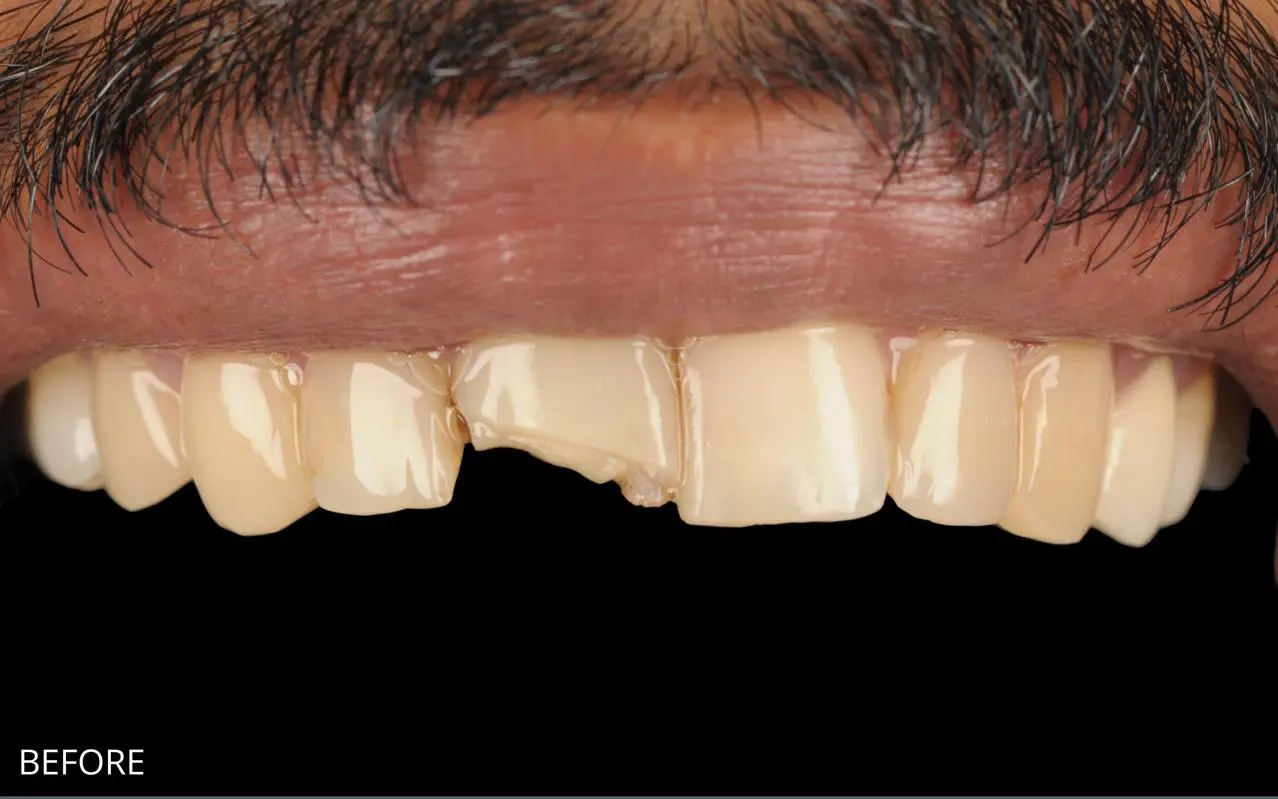 Before
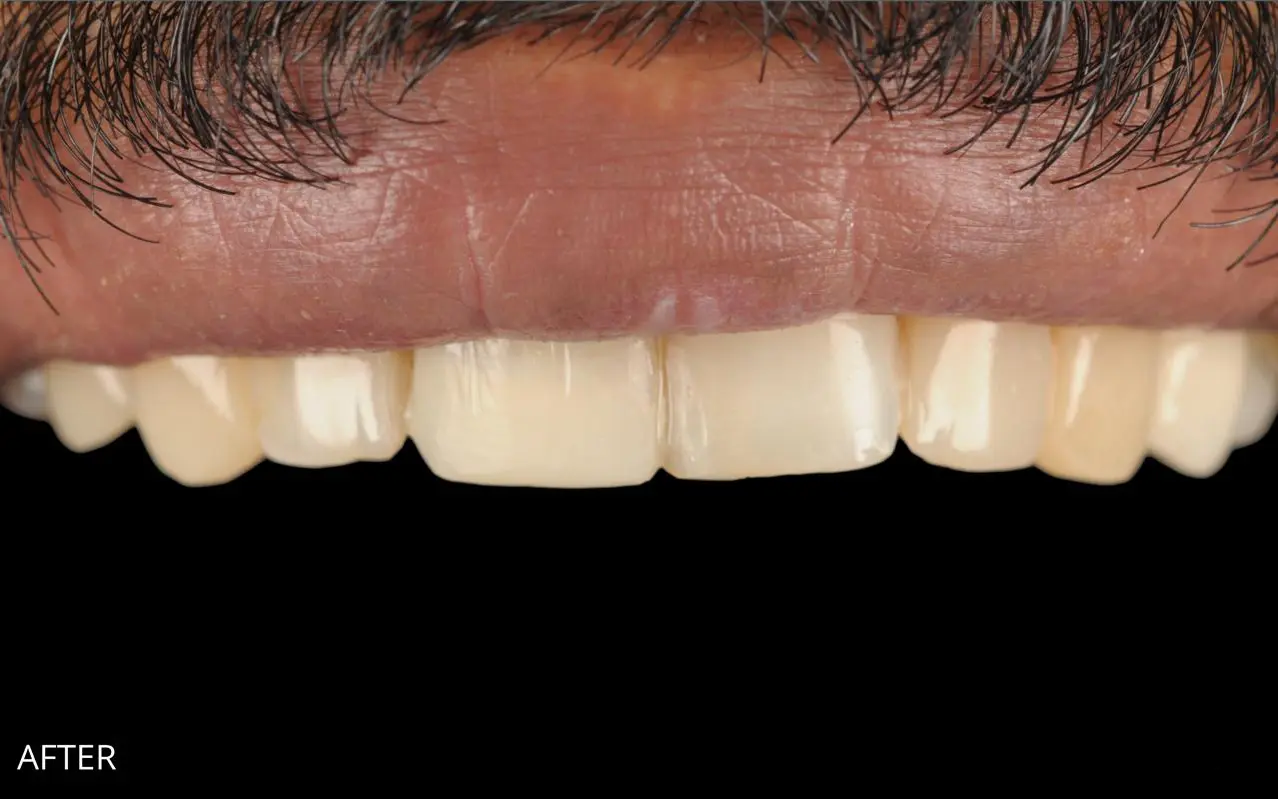 After
AfterFront teeth composite bonding by Dr Kamran Yazdi • Individual results may vary
What Are the Best Foods to Eat After a Filling?
In the first 24 hours after having a filling placed, choosing the right foods can help protect the restoration and reduce the likelihood of sensitivity. There are no strict dietary rules, but sticking to gentle options makes the recovery period more comfortable.
Recommended Foods for the First 24 Hours
- Porridge or oatmeal — soft, warm, and gentle on teeth
- Scrambled eggs — easy to chew with no hard edges
- Soup (lukewarm, not hot) — nourishing without placing pressure on the filling
- Yoghurt — cool, smooth, and requires no chewing
- Mashed potato or sweet potato — soft and filling
- Smoothies or protein shakes — a good option if chewing feels uncomfortable
- Pasta with a soft sauce — easy to eat on the opposite side
- Banana, avocado, or soft-cooked vegetables
Foods and Drinks to Avoid for at Least 24 Hours
- Very hot drinks — may trigger sensitivity or discomfort around the treated tooth
- Ice-cold beverages or ice cream — cold can cause sharp sensitivity near the new filling
- Nuts, hard sweets, crusty bread, or raw carrots — excessive force can stress the bond
- Toffee, caramel, or chewing gum — sticky foods can pull on or displace a filling
- Crisps, popcorn, or hard crackers — uneven pressure on the restoration
- Citrus fruits, fizzy drinks, or vinegar-based foods — acidity can irritate the area
If possible, try to chew on the opposite side of the mouth for the first day or so. This reduces the direct forces on the new filling and allows the bonding to settle. After 24 hours, most patients find they can return to their normal diet without any issues.
Is Sensitivity After a Filling Normal?
Yes, some degree of sensitivity following a filling is common and usually temporary. You may notice mild discomfort when eating or drinking hot, cold, or sweet items, or when biting down on the treated tooth. This sensitivity occurs because the procedure involves removing decay and preparing the tooth, which can temporarily irritate the nerve within the tooth.
In most cases, post-filling sensitivity settles within a few days to two weeks. If the sensitivity persists beyond this period, worsens over time, or is accompanied by throbbing pain, it is advisable to contact your dentist. Persistent symptoms may indicate that the filling requires adjustment — for example, if the bite is slightly high — or, less commonly, that further treatment may be needed.
How to Care for a New Filling
A well-placed filling, properly cared for, can last for many years. The longevity of a filling depends on factors including the material used, the size and location of the restoration, your bite, and your daily oral hygiene habits. The following aftercare steps can help protect your new filling and support good long-term outcomes.
Maintain a Thorough Oral Hygiene Routine
Brush twice daily with a fluoride toothpaste and clean between your teeth using floss or interdental brushes. Paying attention to the margins of the filling — where the restoration meets the natural tooth — helps prevent plaque accumulation and reduces the risk of secondary decay developing around the filling over time.
Avoid Using Your Teeth as Tools
Using your teeth to open packaging, tear tape, or bite nails places unnecessary stress on your fillings and natural teeth alike. These habits can cause chips, cracks, or premature failure of a restoration.
Address Teeth Grinding
If you grind or clench your teeth — a habit known as bruxism — the repeated forces can wear down fillings more quickly than normal use. If you suspect you grind your teeth, particularly at night, mention this to your dentist. A custom-made night guard may be recommended to help protect both your fillings and your natural teeth.
Attend Regular Dental Check-Ups
Routine dental examinations allow your dentist to monitor the condition of your fillings and detect any early signs of wear, cracking, or recurrent decay. Identifying issues early often means simpler and less invasive treatment, compared to waiting until a filling fails or symptoms develop.
Composite Fillings and Composite Bonding: What Is the Difference?
Patients sometimes ask whether a composite filling is the same as composite bonding. Whilst both treatments use composite resin material, they serve different purposes.
A composite filling is a restorative treatment designed to repair a tooth that has been damaged by decay, fracture, or wear. The primary aim is to restore the tooth's structure and function. Composite bonding, on the other hand, is a cosmetic procedure used to improve the appearance of teeth — for example, by closing small gaps, reshaping uneven edges, or masking discolouration. The bonding process involves carefully sculpting and layering composite resin onto the tooth surface to achieve a natural-looking aesthetic result.
Both treatments use similar materials and are hardened with a curing light, meaning the eating guidelines after either procedure are broadly comparable. However, the aftercare advice for composite bonding may include additional recommendations around staining — for instance, avoiding highly pigmented foods and drinks such as coffee, red wine, and curry for the first 48 hours after treatment.
When Should You Contact Your Dentist After a Filling?
Whilst most fillings settle without any complications, there are certain situations where contacting your dental practice is advisable:
- Your bite feels uneven or the filling feels higher than the surrounding teeth
- Sensitivity persists or worsens after two weeks
- You experience sharp or throbbing pain in the treated tooth
- The filling feels rough, has a sharp edge, or part of the filling appears to have come away
- You notice increased sensitivity to pressure when biting down
A slightly high filling is one of the most common post-treatment issues and is usually straightforward to resolve. Your dentist can check the bite and make a minor adjustment, which typically provides immediate relief. If you are in any doubt about whether your symptoms are normal, contacting the practice for advice is always a reasonable step.
Summary
How long you should wait to eat after a filling depends primarily on the type of material used. Composite fillings are set immediately by a curing light and are ready to use once the anaesthetic has worn off — typically within one to three hours. Amalgam fillings require a longer setting time, and it is generally recommended to avoid chewing on the treated side for the remainder of the day.
Regardless of the filling type, starting with soft, lukewarm foods, avoiding sticky or hard items for the first 24 hours, and chewing on the opposite side of the mouth can help protect the new restoration. Some sensitivity following a filling is normal and usually resolves within a few days to two weeks. If discomfort persists, worsens, or your bite feels uneven, arranging a follow-up with your dentist is a sensible step.
Good oral hygiene, regular dental check-ups, and avoiding excessive force on your teeth are the most effective ways to help your fillings last for many years.
If you need a filling or would like an existing restoration assessed, our dental team at South Kensington Medical & Dental is here to help. You can contact the clinic on 020 7183 2362 or book an appointment online.
Disclaimer: This article is for general informational purposes only and does not constitute dental advice, diagnosis, or treatment recommendations. Every patient's situation is different, and the information provided should not be used as a substitute for professional clinical assessment. All treatment decisions should be made in consultation with a qualified dental professional following a thorough clinical examination. South Kensington Medical & Dental is regulated by the Care Quality Commission (CQC). All dentists are registered with the General Dental Council (GDC).
Ready to Book an Appointment?
Our team is here to help you with all your dental and medical needs.










